About the physician
The doctor who oversees every treatment.
Interventional psychiatry is too consequential to hand off. I built this practice so the physician who evaluates you is the same physician who directs your care, reviews how you respond, and signs every chart.
Practicing since 2010
Board-certified · Mount Sinai–trained · Sole physician at the practice.
Credentials
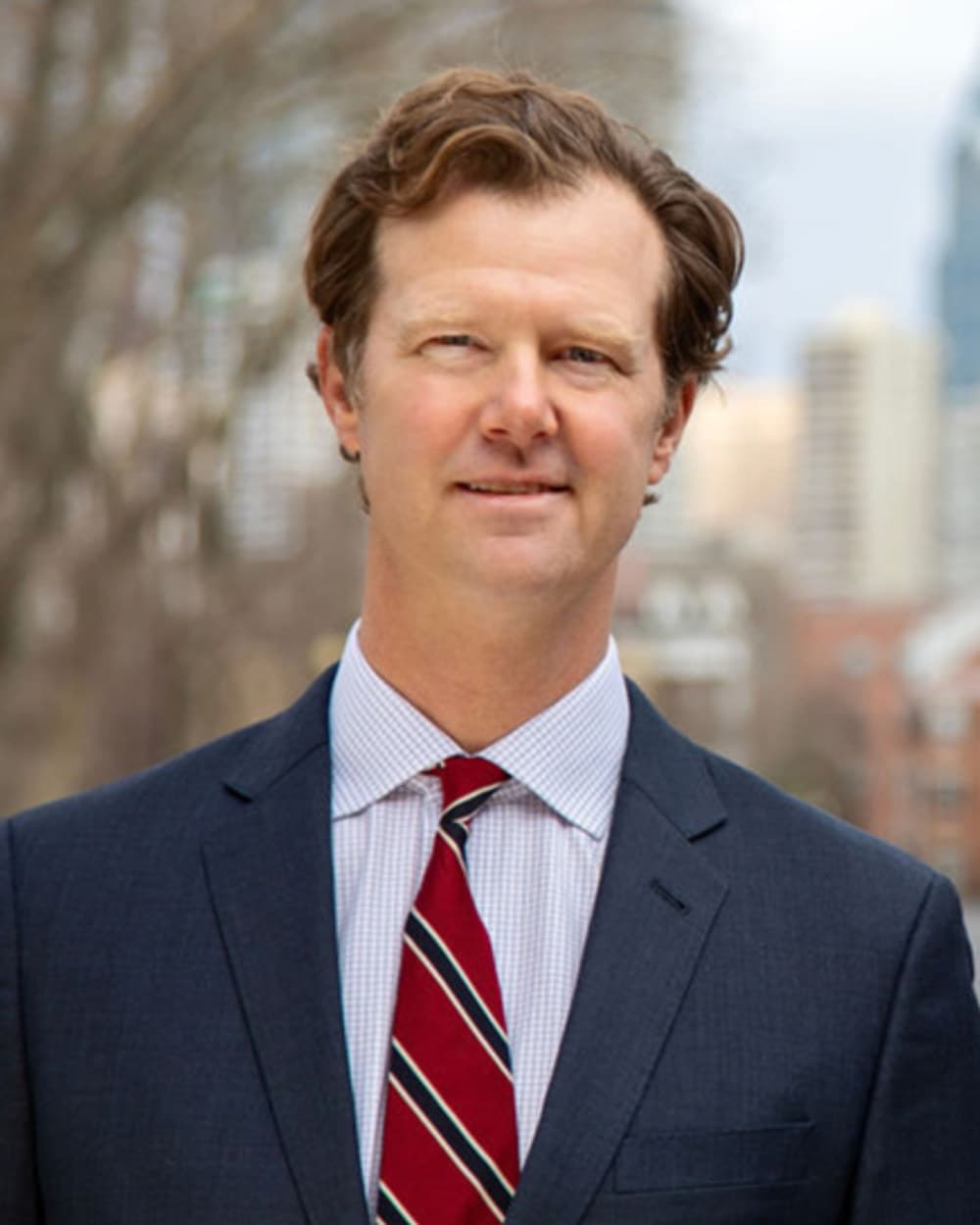
C. Britt Beasley, MD
Board-certified psychiatrist and addiction medicine specialist. Practicing since 2010. Sole clinician and owner of Richmond Brain & Behavior.
- Medical degree
- VCU School of Medicine
- Residency in psychiatry
- Mount Sinai, New York
- Clinical Associate
- University of Pennsylvania
- Undergraduate
- BS, UNC–Chapel Hill
- Board certification
- ABPN (psychiatry) · ABPM (addiction medicine)
- Memberships
- Clinical TMS Society
- Addiction medicine
- Specialist
- Virginia license
- #0101270868
Virginia license verifiable through the Virginia Board of Medicine.
In Dr. Beasley's words
Why I oversee every case myself
Interventional psychiatry — Deep TMS, Spravato, medication-assisted treatment — sits at the serious end of mental health care. These are treatments for people who have already tried the usual things and are still unwell. That's exactly the situation where the details matter most: how a coil is positioned, when a protocol should change, how a dose is titrated, what a monitoring session is actually telling you.
So I don't delegate the judgment. I set and adjust every protocol. I supervise Spravato monitoring myself. I manage every prescription myself, and I sign every chart. A trained clinical team may deliver your sessions, but I direct the course of treatment and review how you respond. When the common model is a machine run by technicians on a protocol nobody revisits, staying personally in charge of the care is the differentiator — and, I'd argue, the responsible way to do it.
“I sign every chart. I direct every course of treatment. That isn't a marketing line — it's how the work should be done.”
Philosophy
What “interventional psychiatry, done seriously” means
It means using the full toolkit correctly, in the right order, for the right patient. For most people, the path starts with good general psychiatric care — accurate diagnosis, sensible medication management, the basics done well. When that isn't enough — when two or more antidepressants have failed, when OCD has resisted treatment, when an opioid use disorder needs real medical management — there is a next tier: Deep TMS, Spravato, MAT. Knowing when to move to that tier, and which intervention fits which patient, is the core of this work.
It also means being honest about fit. Not everyone is a candidate for every treatment, and some patients are better served elsewhere. I'll tell you that directly.
Conditions I treat
- Treatment-resistant depression
- Obsessive-compulsive disorder (OCD)
- Anxiety and PTSD
- Late-life & geriatric depression
- Bipolar disorder
- Opioid & alcohol use disorder
- ADHD
- General psychiatric medication management
When I refer out
I refer out when a patient's needs fall outside what this practice is built to do well — for example, active psychiatric emergencies requiring inpatient care, or cases where a different specialty is clearly the better fit.
Being a serious practice means knowing the edges of your lane. You'll always get a straight answer about whether this is the right place for you.
See conditions & matched treatmentsNow accepting new patients
See new patients promptly — including you.
I see new patients typically within days. Roughly half of general psychiatry visits are by telehealth; interventional treatments are in-person at the Northside Richmond office.